Training5 min
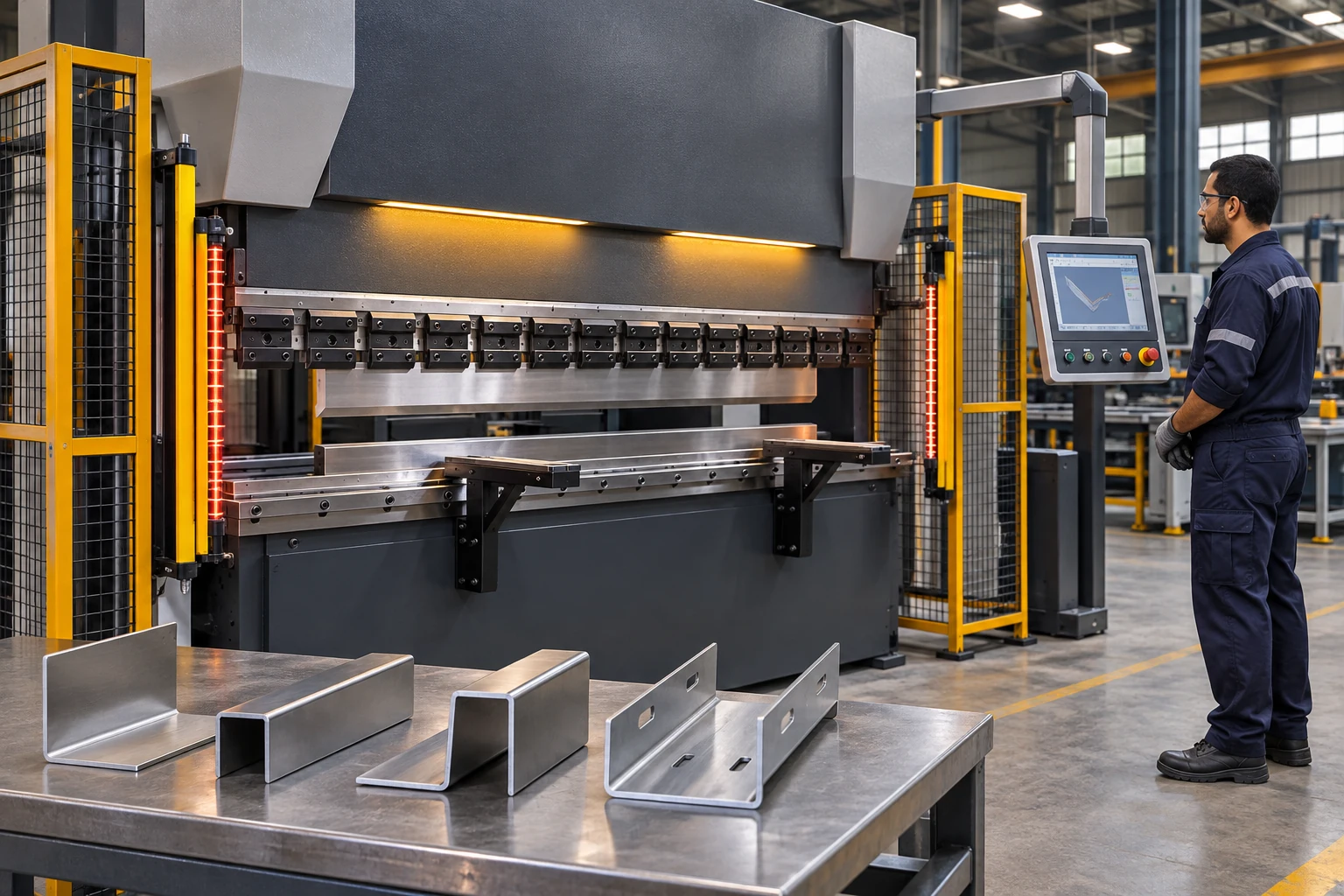
Press brake safety rules
Light curtains, the foot pedal and changing tools safely.
Read the article5 min readAlex Power technical team
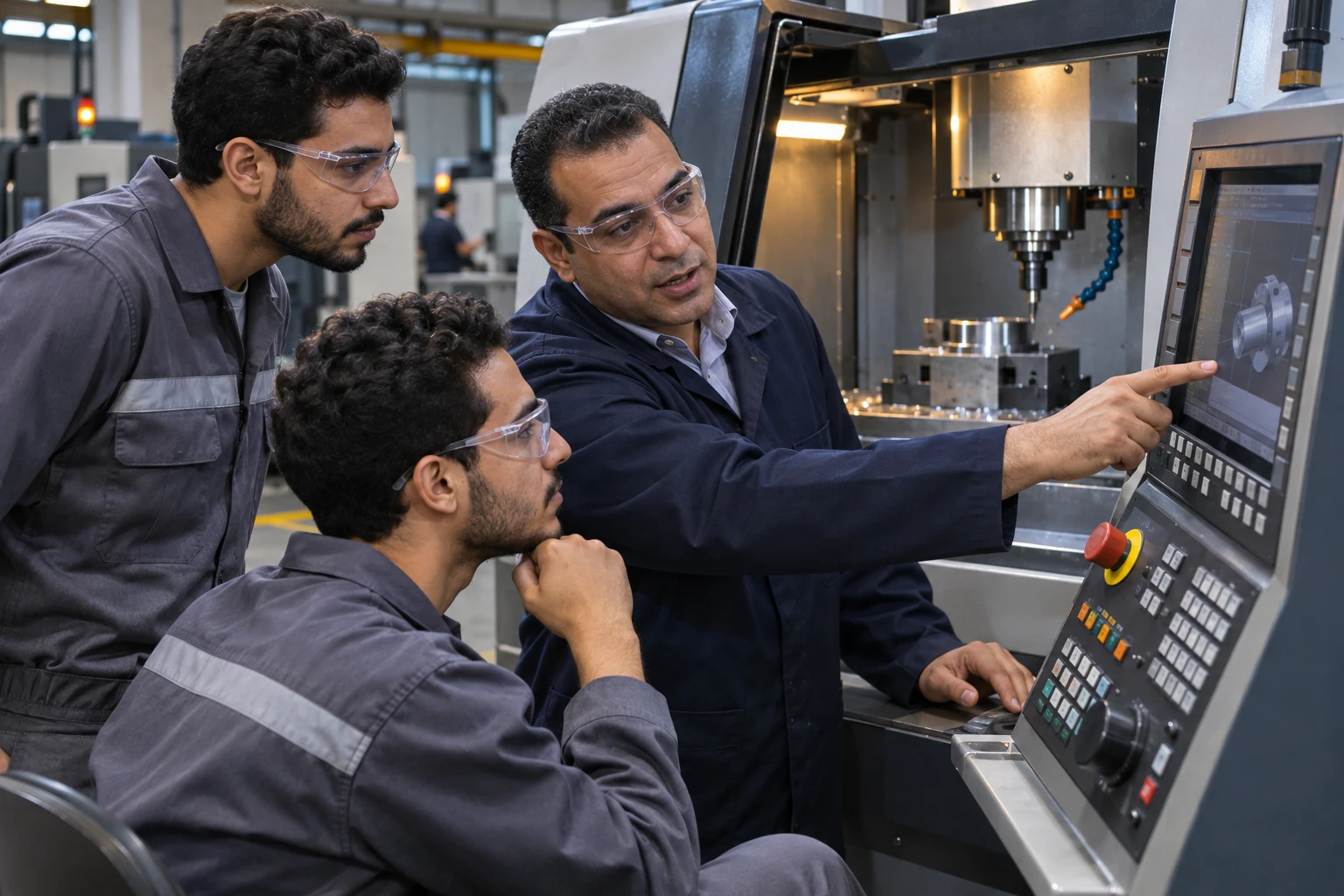
On our factory visits, a large share of faults came from tool crashes or ignored alarms — not machine defects. The machine was fine; what was missing was know-how.
"An expensive machine in the hands of an untrained operator runs at half its capacity and breaks down twice as often."
| Indicator | Without training | After training |
|---|---|---|
| Job setup time | Long and variable | Shorter and consistent |
| Tool crashes | Recurring | Rare |
| Tool life | Shorter | Longer |
| Handling alarms | Reset and wait | Correct first diagnosis |
| Rejected parts | Many | Fewer |
Measure these indicators for a month before training and a month after. The difference is your real return on training.
Training is not only about productivity. A trained operator knows the safety limits, especially on hazardous machines like the press brake.
Light curtains, the foot pedal and changing tools safely.
Read the articleA simple daily, weekly and six-monthly routine that cuts sudden breakdowns and extends machine life.
Read the articleThe most common alarm codes, what they mean, and what you can do yourself before calling a technician.
Read the article